Lessons From Major Gas Safety Incidents
When you think about major gas security cases, like the San Bruno explosion or the Aliso Canyon leak, it's clear that these events disclose vital lessons. You might ask yourself just how human error and outdated framework still contribute in such crashes. Recognizing these usual reasons can help you value the importance of stringent security procedures and reliable communication. However what particular techniques can business carry out to stop comparable events in the future? The answers might surprise you as we explore the detailed partnership between past failings and future safety and security methods.
Trick understandings
- Past gas incidents highlight the crucial need for normal framework upkeep and updates to prevent tragic failings.
- Human mistake and insufficient security protocols remain prevalent, demanding extensive training and adherence to developed standards.
- Regulative reforms following significant events enhance precaution, emphasizing liability amongst all stakeholders in the gas industry.
- Emergency situation readiness and clear feedback strategies are vital for efficient hazard monitoring and risk reduction.
- Buying innovative innovation, such as clever sensing units, can considerably improve monitoring and detection of potential gas leaks.
Introduction of Noteworthy Occurrences
In taking a look at notable gas security incidents, it becomes clear that a range of aspects add to harmful scenarios that can have devastating consequences. By exploring the historic context of these events, you can better comprehend exactly how regulative structures and security practices have developed. Occurrence analysis often reveals common strings, such as inadequate training, tools failures, and gaps in method adherence.
For example, the 2010 San Bruno pipeline surge in California highlighted the essential significance of correct maintenance and oversight. Private investigators found that outdated infrastructure and insufficient surveillance systems were substantial factors to the disaster. Similarly, the 2015 gas leak at Aliso Canyon revealed susceptabilities in gas storage techniques and the demand for more stringent safety and security guidelines.
These occurrences act as vital understanding chances, emphasizing the requirement of extensive danger evaluations and recurring safety education. By looking at the details of each event, you can identify patterns that educate future precaution. Comprehending the historic context behind these notable occurrences permits you to appreciate the value of continual improvement in gas safety and security methods, ultimately aiming to stop similar tragedies from happening in the future.
Common Root Causes Of Gas Accidents
Gas crashes often stem from a combination of human error, equipment breakdown, and insufficient safety and security procedures. When you think about the human aspect, it's clear that blunders like improper installation, failure to comply with safety protocols, or lack of understanding can cause catastrophic outcomes. For example, a specialist might forget a necessary action throughout maintenance, enabling gas to leak undetected.

Devices failing also plays a considerable duty. Aging facilities, inadequately preserved systems, or defective components can create unsafe scenarios. If stress regulators breakdown or pipes wear away, the risk of gas leakages rises dramatically. You might believe that routine assessments mitigate these dangers, but even regular checks can miss out on essential issues if not conducted carefully.
Inadequate safety treatments intensify these issues. If your organization does not have clear standards or fails to train personnel properly, you're setting the phase for accidents. Everybody should comprehend not just exactly how to operate tools safely, however likewise just how to react in emergency situations. Dealing with these typical reasons human mistake and devices failing calls for a aggressive technique to safety that focuses on training, upkeep, and extensive adherence to established protocols.
Impact on Laws and Requirements
The consequences of gas safety events extend past immediate harm; they substantially influence laws and criteria within the market. When a serious incident takes place, it commonly sets off a wave of governing evolution targeted at improving safety compliance. This development is vital for avoiding future misfortunes and ensuring that all stakeholders are held liable.
Right here are 3 essential ways these events form guidelines:
-
Stricter Safety Protocols: Regulatory bodies normally react by executing a lot more rigid security procedures, requiring sector players to embrace higher requirements of operation.
-
Enhanced Educating Demands: Complying with events, regulations typically mandate extensive training programs for workers, guaranteeing they understand safety measures and emergency situation reactions.
-
Regular Audits and ** Examinations ****: Increased emphasis on compliance leads to extra constant audits and examinations, making sure that firms abide by the latest ** safety laws.
Lessons Learned for Security Practices
Security techniques must advance from the lessons found out throughout gas security occurrences. By evaluating past failings, you can determine essential areas for enhancement in your safety methods. One important facet is improving safety training. Regular and detailed training programs outfit staff members with the expertise and skills to recognize hazards and respond properly. Make certain that your training includes real-world scenarios attracted from previous occurrences, as this context can strengthen understanding and retention.

In addition, focus on emergency situation preparedness. Establish clear response plans that summary certain activities during a gas-related emergency. Conduct routine drills to familiarize your group with these procedures and evaluate their effectiveness. This method not only builds self-confidence however also highlights prospective spaces in your emergency response method.
Additionally, cultivate a society of open communication where employees really feel equipped to report unsafe conditions without worry of repercussions. This proactive approach can result in early discovery of possible threats. By integrating robust safety and security training and emergency situation preparedness into your operations, you create a setting that prioritizes safety and decreases dangers. Inevitably, these lessons picked up from previous incidents will certainly lead you in establishing a much more resilient and effective safety framework.
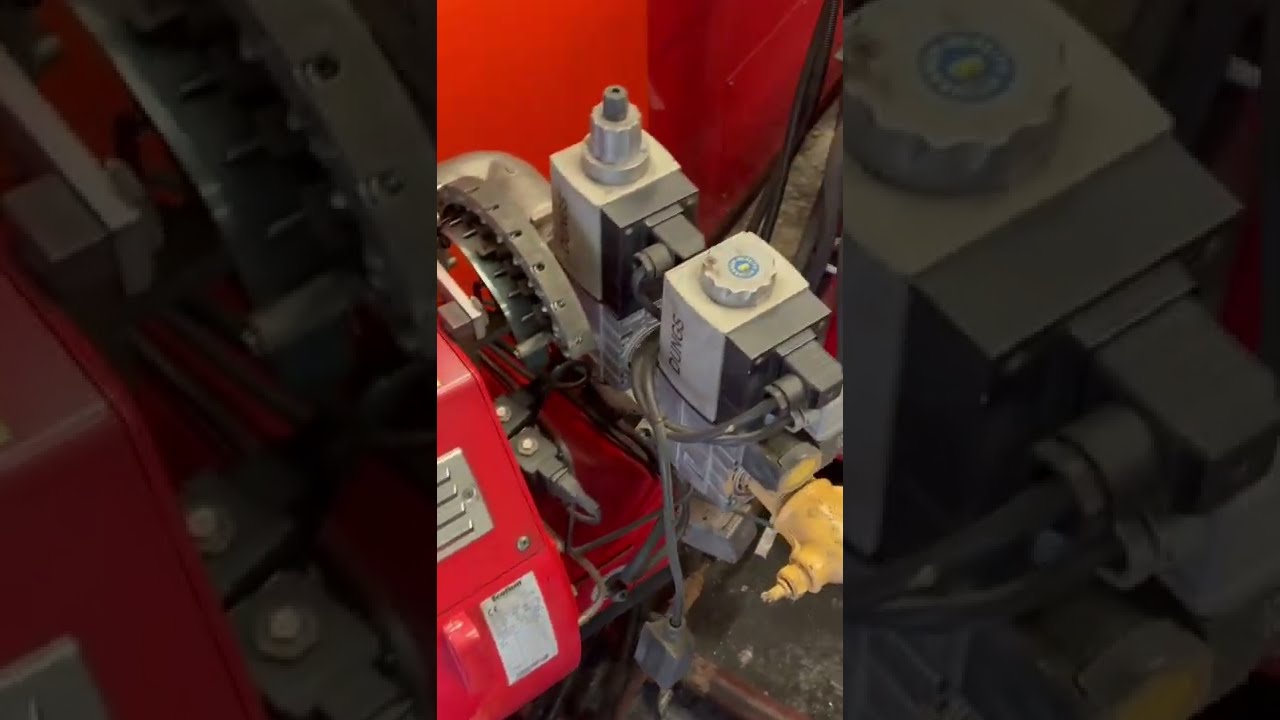
Future Prevention Techniques
Protecting against future gas security cases requires a tactical strategy that addresses both technological improvements and human elements. As you consider your function in boosting safety, it's necessary to focus on 3 crucial methods:
-
Purchase Modern Technology Advancements: Make use of smart sensors and real-time monitoring systems to find gas leakages promptly. These modern technologies can offer notifies before occurrences escalate, guaranteeing a fast feedback.
-
Boost ** Emergency Readiness ****: Create ** thorough training programs that mimic emergency situations. This ensures that all personnel know exactly how to respond quickly and efficiently in a situation.
-
Foster a Safety Culture: Urge open communication concerning security concerns and promote routine safety audits. When staff members really feel encouraged to report problems, you can alleviate dangers before they bring about cases.
Regularly Asked Concerns
Exactly How Can Individuals Acknowledge Gas Leaks in Their Residences?
To recognize gas leaks in your house, take note of indicators like a distinctive sulfur odor, hissing sounds near gas home appliances, or dead plants. On a regular basis check for gas leak detection devices, such as detectors or screens, to boost your home safety and security. Keep an eye on your gas bills for unexplained rises, and assure your devices are properly kept. If you suspect a leakage, leave instantly and speak to a specialist for help.
What Should I Do if I Scent Gas?
If you smell gas, it's essential to act quickly. First, prevent using any electrical devices or open fires, as they might stir up the gas. Evacuate everyone from the area and make certain pets are out also. Call your gas business or emergency solutions from weavering gas engineer a risk-free range. Follow their instructions and do not re-enter till it's stated safe. Prioritizing these emergency reaction gas engineer weavering steps and security preventative measures can stop possible catastrophes. Keep alert and safe!
Are Gas Detectors Well Worth the Financial Investment?
Gas detectors are absolutely worth the financial investment. They offer substantial cost benefits by possibly protecting against costly accidents and home damage. Various detector kinds, like fixed or portable systems, deal with various demands. Taken care of detectors provide continuous monitoring, while mobile ones are fantastic for details tasks. By buying a gas detector, you boost your safety and peace of mind, making it a wise option for any atmosphere where gas exposure is a problem.
What Are the Indicators of Improper Gas Home Appliance Setup?
When you're handling gas home appliances, acknowledging the signs of improper setup is essential. Try to find indication like unusual scents such as gas or scorched smells and look for visible leakages around the fittings. You may also notice changing gas pressure or home appliances that stop working to stir up appropriately. Inconsistent fire shade, especially yellow or orange, indicates an issue also. Routine maintenance and assessment can help ensure every little thing's installed properly and safely.
Exactly How Frequently Should Gas Appliances Be Serviced?
You should service your gas devices at the very least once a year for excellent gas appliance upkeep. This yearly check assists recognize prospective concerns early, guaranteeing your home appliances run safely and successfully. Depending upon use and producer recommendations, you might require much more regular maintenance. Routine inspections not only prolong the life-span of appliances yet additionally safeguard your home from gas leakages and various other risks. Remain positive regarding solution frequency to preserve safety and security and performance.
Summary
In assessing major gas safety and security occurrences, it's clear that gaining from these catastrophes is crucial for the market's future. By comprehending typical reasons like human mistake and out-of-date facilities, you can promote for boosted safety and security procedures and guidelines. Stressing open interaction and progressed keeping track of innovation is fundamental for cultivating a proactive security culture. Ultimately, by implementing the lessons discovered, you can aid guarantee that such cases do not repeat, guarding both lives and the setting.